
"coffee roaster evolution"
100 article(s) found

Talking about baking-A brief history of our coffee drinking
Abstract: from the perspective of spending power, people will naturally choose the former. From the perspective of product preferences, you will find that the former's favorite is often Blue Mountain and Manning, while the latter is more likely to choose espresso, or the more fashionable light roasted coffee. If you jump out of the framework of making coffee and look at China's coffee retail market from a big market point of view.
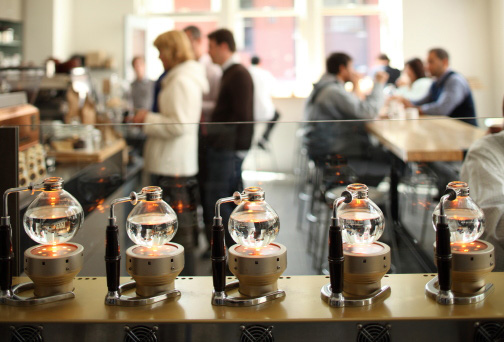
The third wave of boutique coffee introduction of the European Fine Coffee Association and the American Fine Coffee Association
Most domestic players experience the second baptism of boutique coffee. Starbucks, Bitz, Knudsen, George Hall, Kenneth Davis, David Schumer, Kevin Knox, Art Coffee, Sweet Maria, Green Mountain Coffee and Fair Trade are common memories. But after the millennium, the second wave has become old, and the third wave of boutique coffee has become its own style. The former second wave of operators, in order to upgrade
About the history of coffee roasters
The history of coffee roasters as early as the 13th century, the Arabs invented to put coffee beans in a pot, heat and stir-fry them, then grind them into powder, and then brew coffee. The early Arabs liked to bake the beans shallowly and boil them with spices such as cardamom. Later, this method of stir-frying coffee spread to Syria, Turkey and Egypt, where it was used to stir-fry coffee black.
Introduction to the development history of coffee roaster why instant coffee is so popular in Russia
This time we will introduce the roasting of coffee beans. The history of coffee roasting has a lot to do with the shape of the coffee we enjoy today. Let's take a look at the introduction to baking and the invention of instant coffee. The development of roasters the history of coffee development varies all over the world. In France, because it is put on it to emphasize the pursuit of coffee taste, a new coffee pot, such as flavor

"Yega Snow Coffee" Fine African Coffee Coffee characteristics Coffee beans Coffee
The term "fine coffee" was first put forward by Ms. Knudsen of the United States in Coffee and Tea magazine. At that time, Ms. Knudsen, as a coffee buyer at B.C. Ireland in San Francisco, was very dissatisfied with the neglect of the quality of raw coffee in the industry, and even some big roasters mixed a large amount of Robesda beans in the comprehensive beans, so she put forward the concept of boutique coffee.
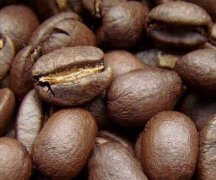
The history of coffee roaster basic knowledge of coffee
As early as the 13th century, the Arabs invented to put coffee beans in a pot, stir-fry them with fire, grind them into powder, and then brew coffee. The early Arabs liked to bake the beans shallowly and boil them with spices such as cardamom. Later, this coffee stir-frying method spread to Syria, Turkey and Egypt, where it was used to stir-fry the coffee black, then grind it into powder and add it.
Cafeworker CUBE 750Taiwan coffee culture roaster made in Taiwan
Every generation of cube has made continuous improvement progress, and so is this generation. Originally, it was intended to be the latest version, but after sending Taiwan to foreign countries, it was found that the separated container container was very inconvenient, so this generation of cube intends to integrate the continuous improvement progress of each generation of cube. The same is true of this generation. It originally achieved the third batch, and has already done so.
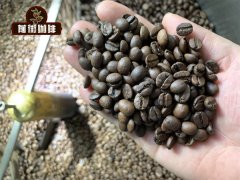
What's special about Burundi boutique coffee? What roasts Burundi coffee beans are suitable for?
Burundi coffee has been hailed as the Cinderella story of the coffee world and until recently was known for its quality and taste. When coffee was first grown in Burundi in the 1960s, the crop was unfortunately underutilized, contributing to the world of generic commodity coffee. Burundi coffee brings attention to the development and evolution of coffee. Unique flavor profile, Bloom

Coffee machine crowdfunding: the first intimate contact with crowdfunding
Coffee crowdfunding: the freshest coffee beans to make the strongest coffee flavor roaster has arrived, the name of the top barista is short of a handful of carefully selected coffee beans! In addition to selection or selection, hand-baked, ground beans, the taste is absolutely enough to be on the five-star level. Although the only types of coffee are Indonesia-Mantenin and Ethiopia-Yega Snow Coffee, it is guaranteed that what you drink is fine.
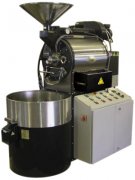
The structure of the roaster is reformed.
The differential pressure meter can quickly and sensitively indicate the small positive pressure, negative pressure or differential pressure of the gas. it is widely used to monitor the static pressure at the outlet of the fan, the filter resistance, the wind speed, the ventilation state and the differential pressure on both sides of the orifice plate. it is also used in the bubble level measurement system to monitor the liquid level, to monitor the mixture control ratio of gas and air, and to monitor blood pressure and respiratory pressure in medical equipment and devices. Applicable
The basics of coffee roasting
one。 The meaning of baking 1. The definition of roasting so-called coffee roasting (coffee roasting) refers to the heating of raw beans to promote a series of physical and chemical reactions inside and outside of coffee beans, and in this process to produce a variety of sour, bitter, sweet and other flavors of coffee, forming mellowness and hue, and converting raw beans into dark brown beans. two。 The importance of baking is affecting a cup of coffee.
There are three ways to judge the degree of baking.
1. It can be judged by the change in the smell of baking smoke: this is a baking depth control method that was more widely adopted in the 19th century. two。 Judged by the temperature changes inside the coffee beans: this method is most commonly used in today's more advanced bean dryers. 3. Judging by the degree of coloring of coffee beans: this needs to be judged by experience, or assisted by a sophisticated machine.

There are three ways to judge the baking degree visually.
1. It can be judged by the change in the smell of baking smoke: this is a baking depth control method that was more widely adopted in the 19th century. two。 Judged by the temperature changes inside the coffee beans: this method is most commonly used in today's more advanced bean dryers. 3. Judging by the degree of coloring of coffee beans: this needs to be judged by experience, or assisted by a sophisticated machine.
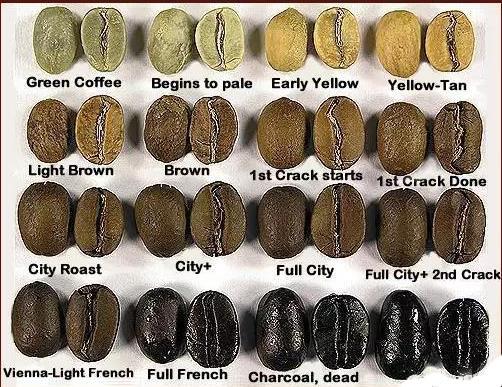
The common sense about coffee roasting, the roasting of coffee beans, the mellow taste of coffee
What is baking? What is the definition of baking? Generally speaking, the so-called coffee roasting (coffee roasting) refers to the process that through heating the raw beans, a series of physical and chemical reactions take place inside and outside the coffee beans, and in this process, the sour, bitter, sweet and other flavors of the coffee are formed, forming mellowness and hue, and converting the raw beans into dark brown beans. The baked one is heavy

A brief introduction to the introduction to Coffee roasting, the complete Book of Coffee self-baking
When the author published the first edition of this book in 1996, roasting coffee beans at home was something that only tireless coffee addicts would do. At that time, roasting coffee beans was a very difficult thing to master, and roasters had to work hard to find a way to roast coffee beans to a moderate brown. Today, individuals still roast coffee beans at home.

Introduction of coffee roasting knowledge introduction of coffee bean roasting methods introduction of roaster price
As early as the 13th century, the Arabs invented to put coffee beans in a pot, stir-fry them with fire, grind them into powder, and then brew coffee. The early Arabs liked to bake the beans shallowly and boil them with spices such as cardamom. Later, this coffee stir-frying method spread to Syria, Turkey and Egypt, where it was used to stir-fry the coffee black, then grind it into powder and add it.
Time / temperature ratio and other subtle influence properties
All roasting modes are different because of the roasting process, so even coffee beans that look the same in appearance behave very differently in the cup. When you bake a coffee bean to a fixed roasting color in a short time with fast heat / high temperature (or a combination of air flow high temperature and fast air flow), the roasted coffee bean retains more acidity.

The introduction to coffee roasting recommends the complete Book of Coffee self-baking.
When the author published the first edition of this book in 1996, roasting coffee beans at home was something that only tireless coffee addicts would do. At that time, roasting coffee beans was a very difficult thing to master, and roasters had to work hard to find a way to roast coffee beans to a moderate brown. Today, individuals still roast coffee beans at home.

The history of coffee roaster is who invented the semi-direct fire and hot air which is better
Roasting green beans into aromatic coffee requires one important piece of equipment: a bean dryer. However, people have been drinking coffee for hundreds of years. At that time, there was no such advanced equipment. Instead, they started from the most spring way. Do you know the history of baking beans? Why are baking beans designed this way? How has history evolved? Let's look at the evolution of coffee roasting! coffee

Common sense of coffee roasting
1. The definition of roasting so-called coffee roasting (coffee roasting) refers to the heating of raw beans to promote a series of physical and chemical reactions inside and outside of coffee beans, and in this process to produce a variety of sour, bitter, sweet and other flavors of coffee, forming mellowness and hue, and converting raw beans into dark brown beans. two。 The importance of baking depends on the factors that affect the taste of a cup of coffee